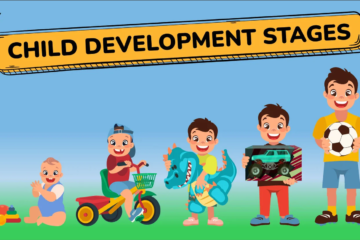
Early childhood formal education plays a vital role in shaping a child’s future. The early years of life, especially from birth to age eight, are a period of rapid brain development. During this time, children absorb information quickly and build the foundation for lifelong learning, behavior, and health. A structured learning environment helps guide this natural development in meaningful ways.
One of the key benefits of early childhood education is the development of basic academic skills. Children are introduced to language, numbers, shapes, and problem-solving activities that prepare them for primary school. More importantly, they develop curiosity and a love for learning, which are essential for long-term academic success.
Formal early education also supports social and emotional growth. In a classroom setting, children learn how to share, cooperate, follow instructions, and respect others. These experiences help them build confidence, independence, and positive relationships with peers and teachers. Such skills are just as important as academic knowledge.
Additionally, trained educators can identify learning difficulties or developmental delays at an early stage. Early intervention allows children to receive the support they need before challenges become more serious.
In conclusion, early childhood formal education lays the groundwork for a child’s intellectual, social, and emotional development. Investing in quality early education not only benefits individual children but also strengthens families and society as a whole.


0 Comments